
Latest additions


Hitoshi Morimoto

Japanese Sake (Nihonshu)
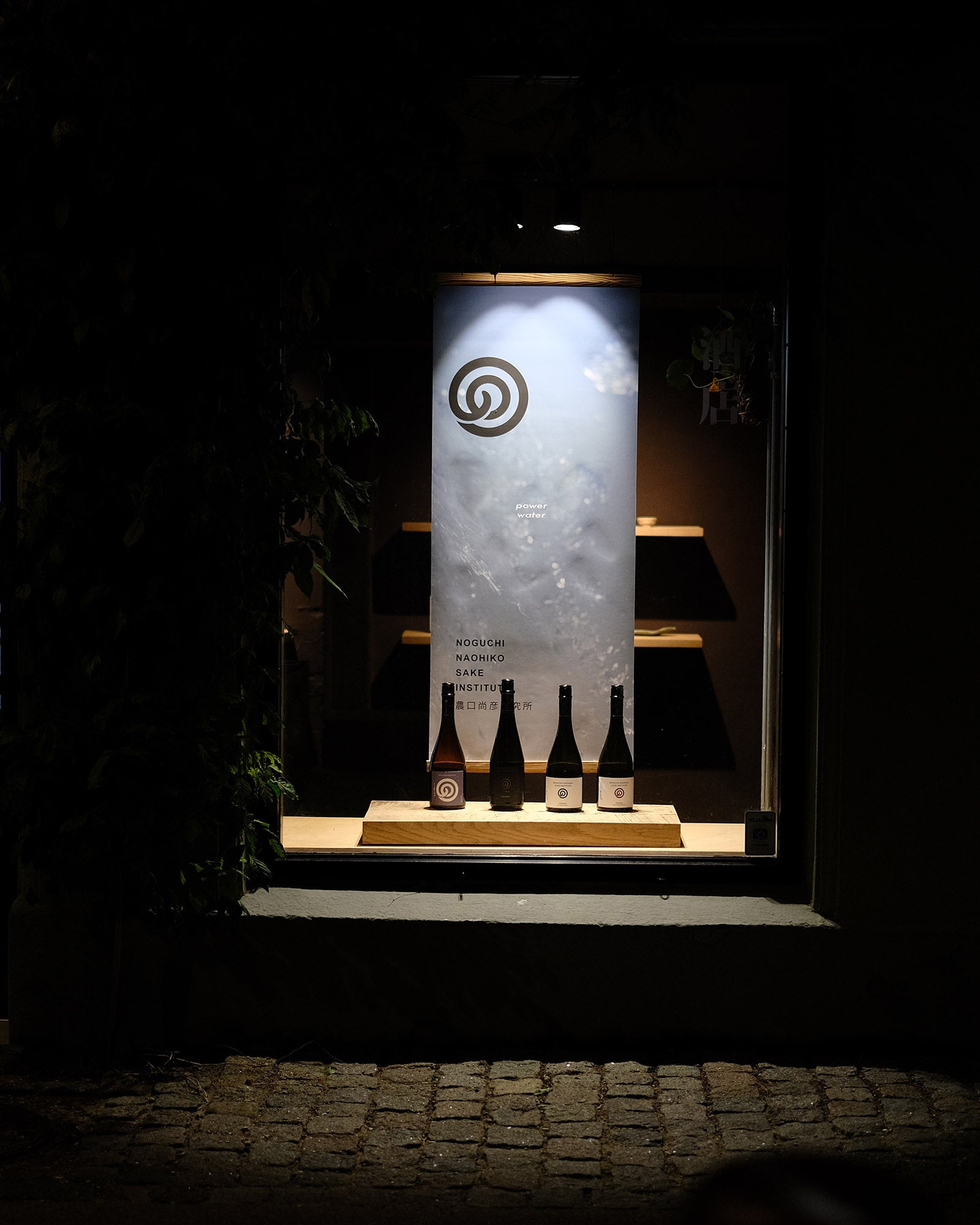
Sake, Japan's traditional alcoholic beverage, is in many ways a completely unique drink. From an ultra-short list of ingredients consisting of rice, koji, and spring water (and potentially distilled alcohol), an endless variety of different styles are created. Sake is not wine, even though many call it rice wine. The brewing method is actually more reminiscent of beer with its sugar conversion, but at the same time it is completely unique thanks to koji fungus spores. The alcohol content is typically between 15-17%, which is higher than beer and most wines, but sake is much purer and contains no sulfur, sulfites, or gluten. Therefore, the experience in the body is much lighter and more pleasant, not least the day after. We have curated a range of Japan's prominent sake brands over the last 9 years. A selection of Japanese sake that is unique in Europe. We import directly from the breweries through our close relationships with the producers who fascinate and inspire us.✴︎

Sake is Koji-culture
The all-important fungus spore Koji forms mold on the surface of steamed rice and slowly breaks down proteins, which are converted into amino acids. Together with yeast cells, the amino acids begin the unique process of sake fermentation known as “multi-parallel fermentation,” in which starch is converted into sugar, which is simultaneously converted into alcohol. Without koji, it would be impossible to produce sake as we know it. Koji affects both the aroma and taste of sake. It is the primary producer of the essential umami content in sake. Along with other koji-fermented foods such as miso and shoyu, sake should be viewed within a broader context of koji culture in Japan's traditional food culture.✴︎
Further reading What is sake?

Sake Tasting
We offer sake tastings on a regular basis. This is an important part of our presentation of sake in Copenhagen, where we communicate sake culture throughout an entire evening in our atmospheric tasting room. These are small, intimate groups, so the dialogue is open and comfortable. We taste different styles of sake from different regions of Japan. The tastings will vary across different themes, but previous experience with sake is not required. Everyone is welcome, regardless of level of experience. Learn about the production method behind sake, how to select a bottle, drinking customs, pairing with food, etc. We cover many aspects of sake culture, offering numerous taste experiences and impressions. Please contact us for information about upcoming tasting events or if you have any questions.✴︎


- Junmai •
- Junmai Ginjo •
- Junmai Daiginjo •
- Namazake •
- Kimoto •
- Yamahai •
- Honjozo
Official Importer


